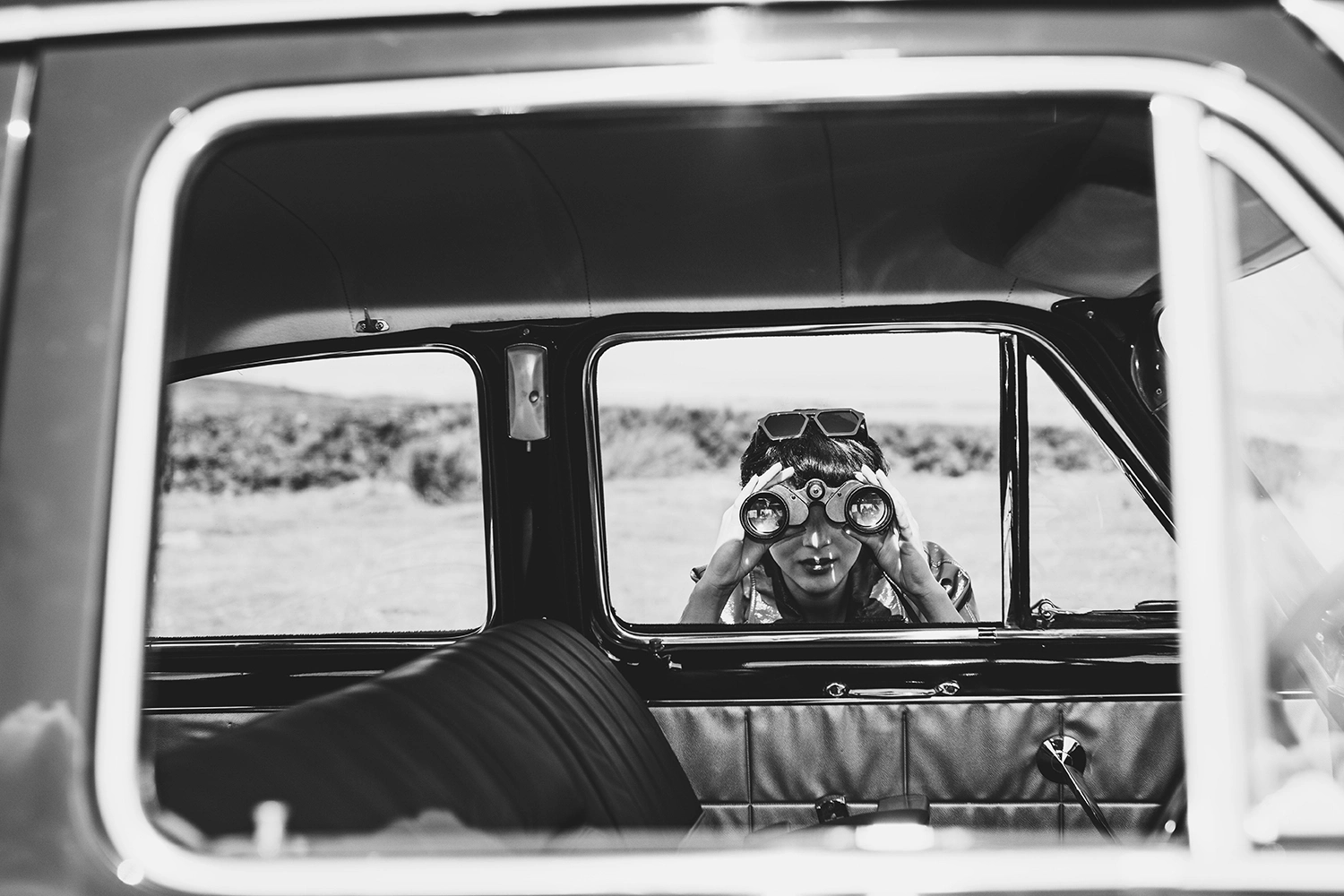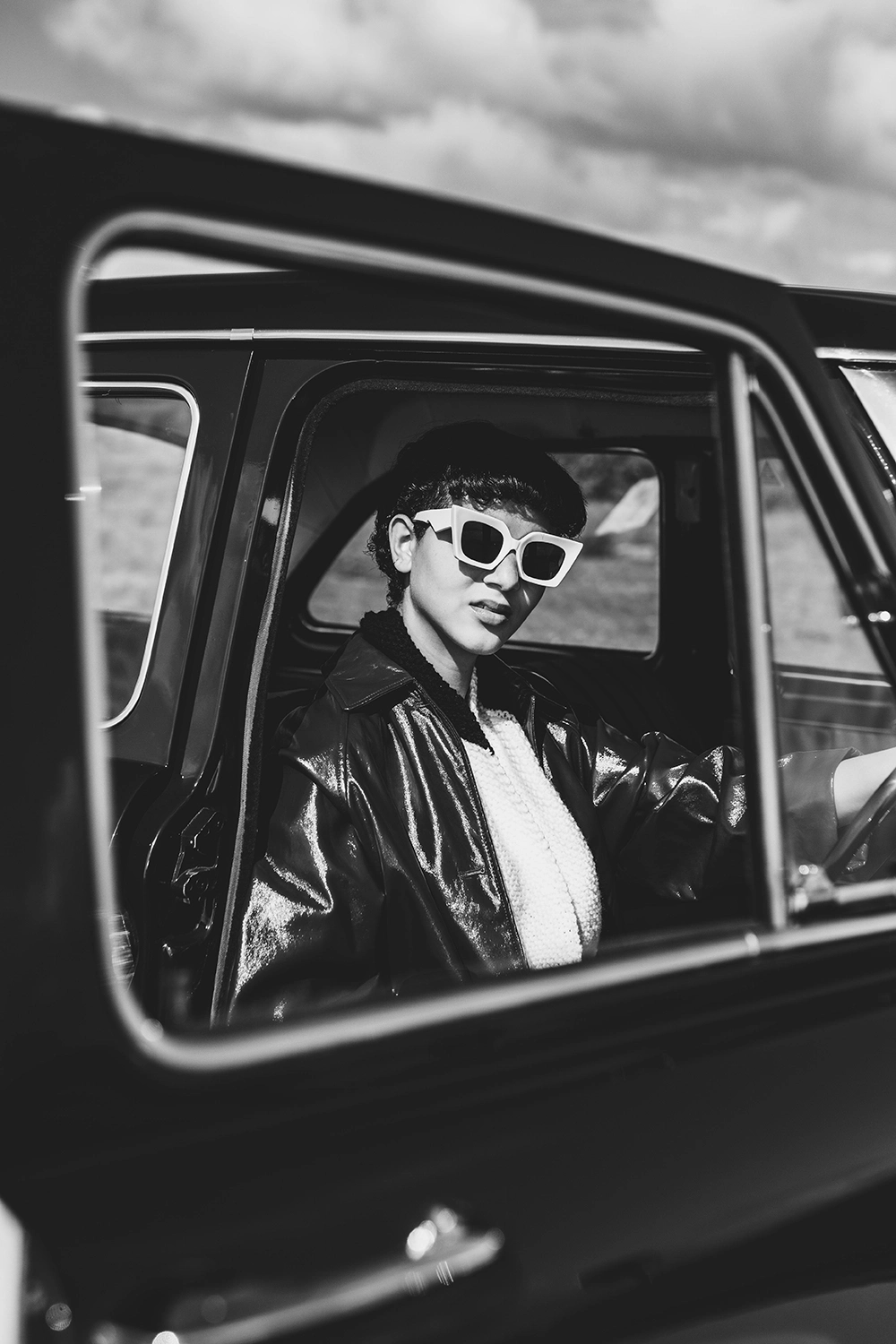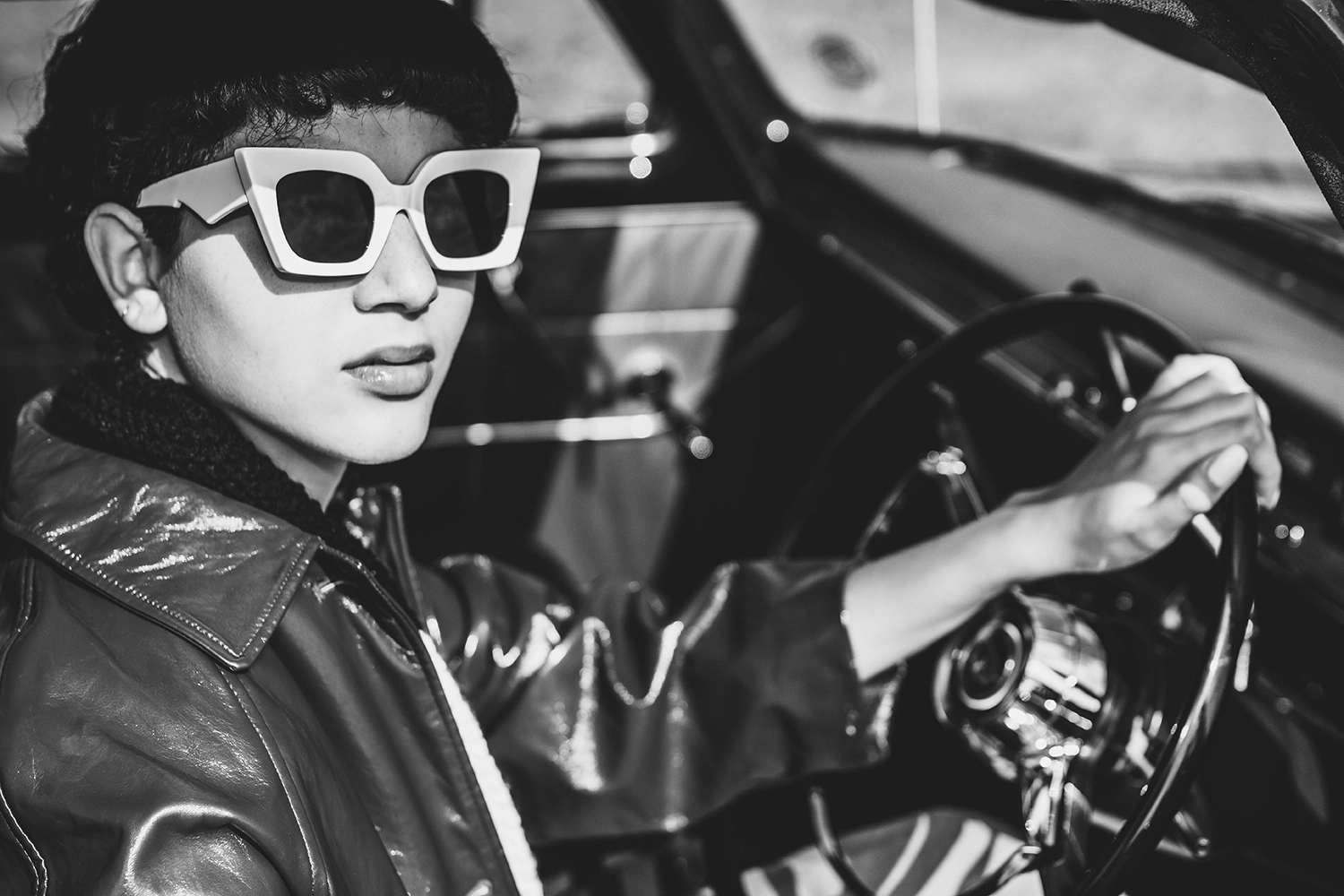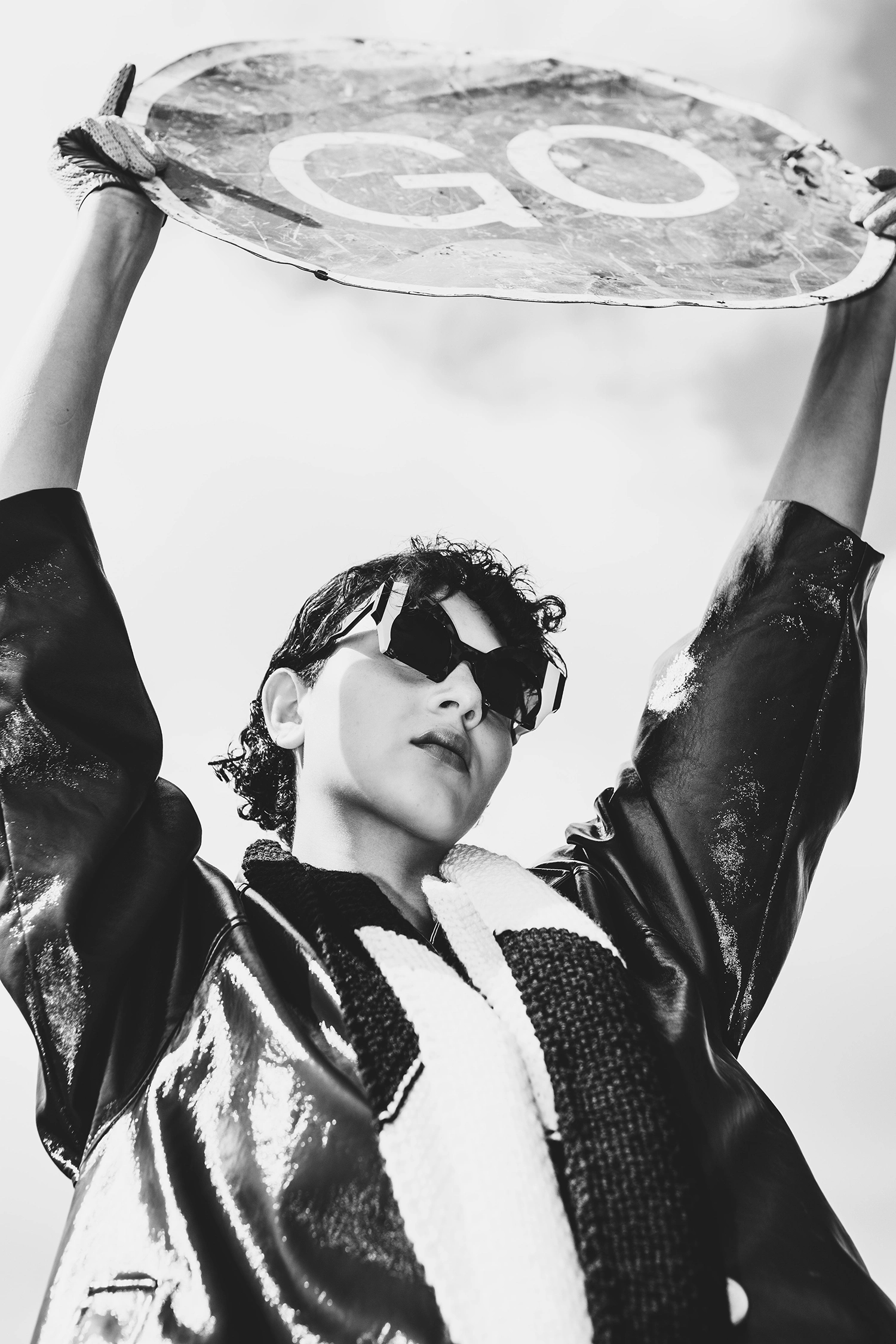
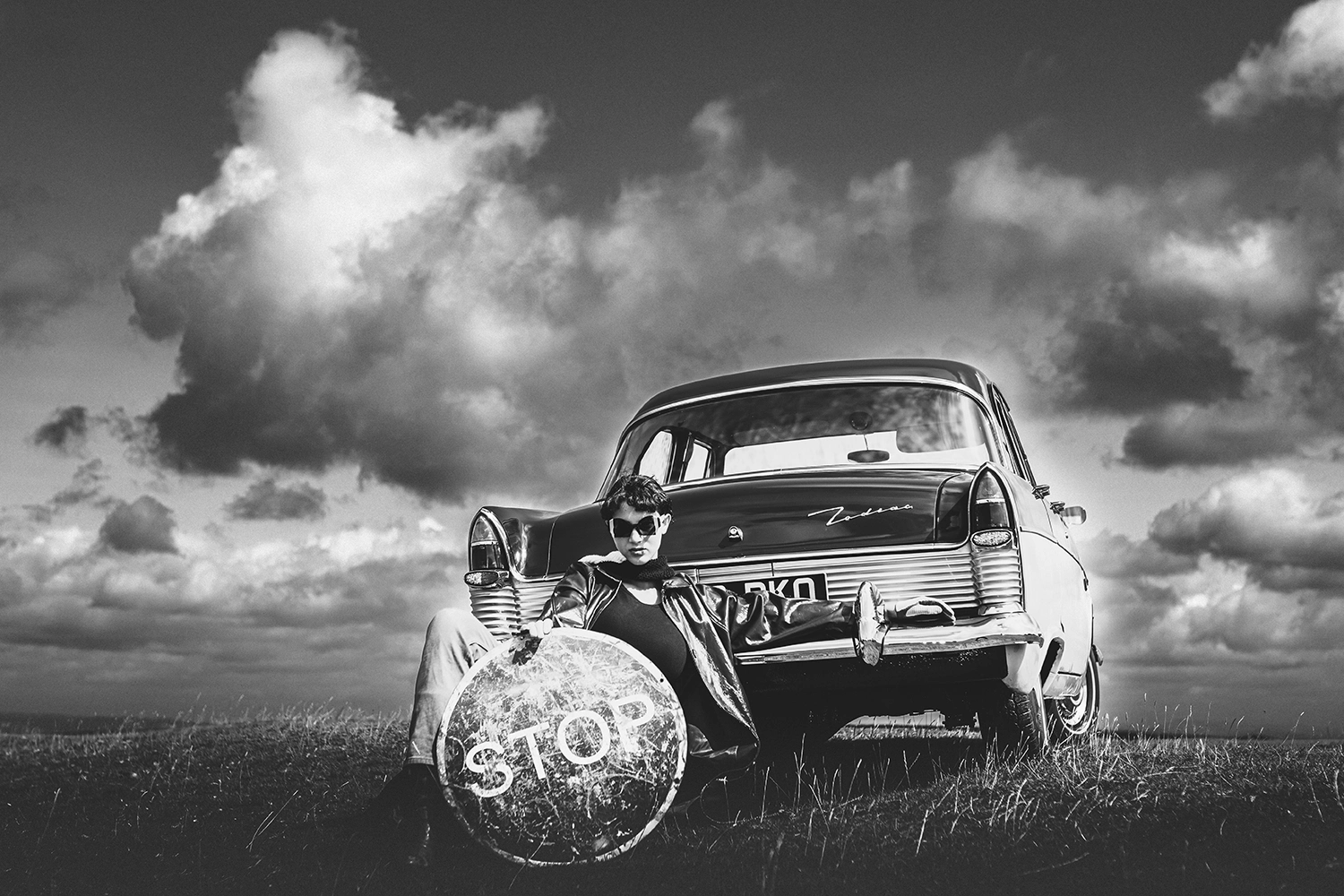
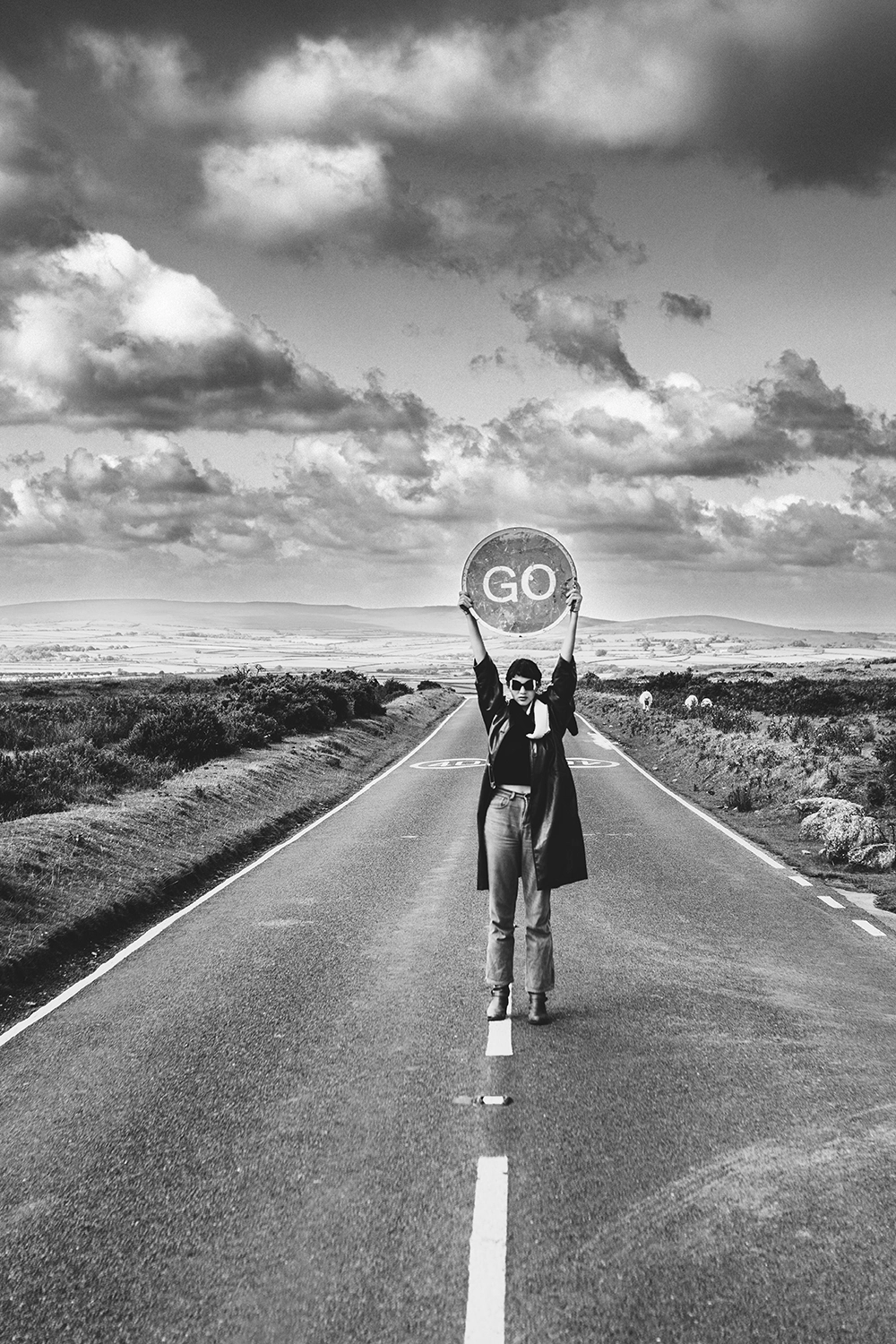
Why is everything in the present so fast? So excessive? So pressured? So loud? What shifts in the future? In my hope for an imagined future, we choose slowness on purpose.
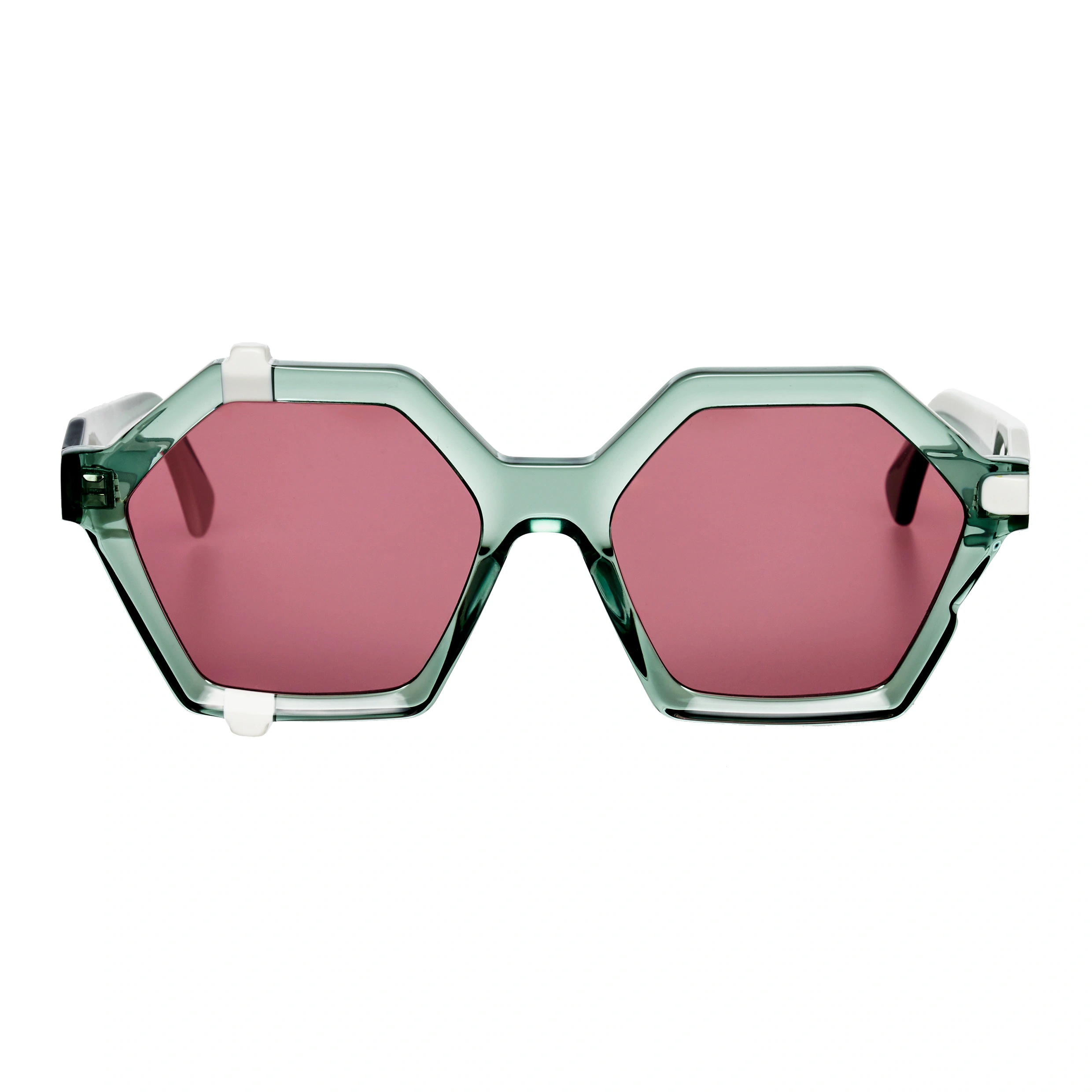
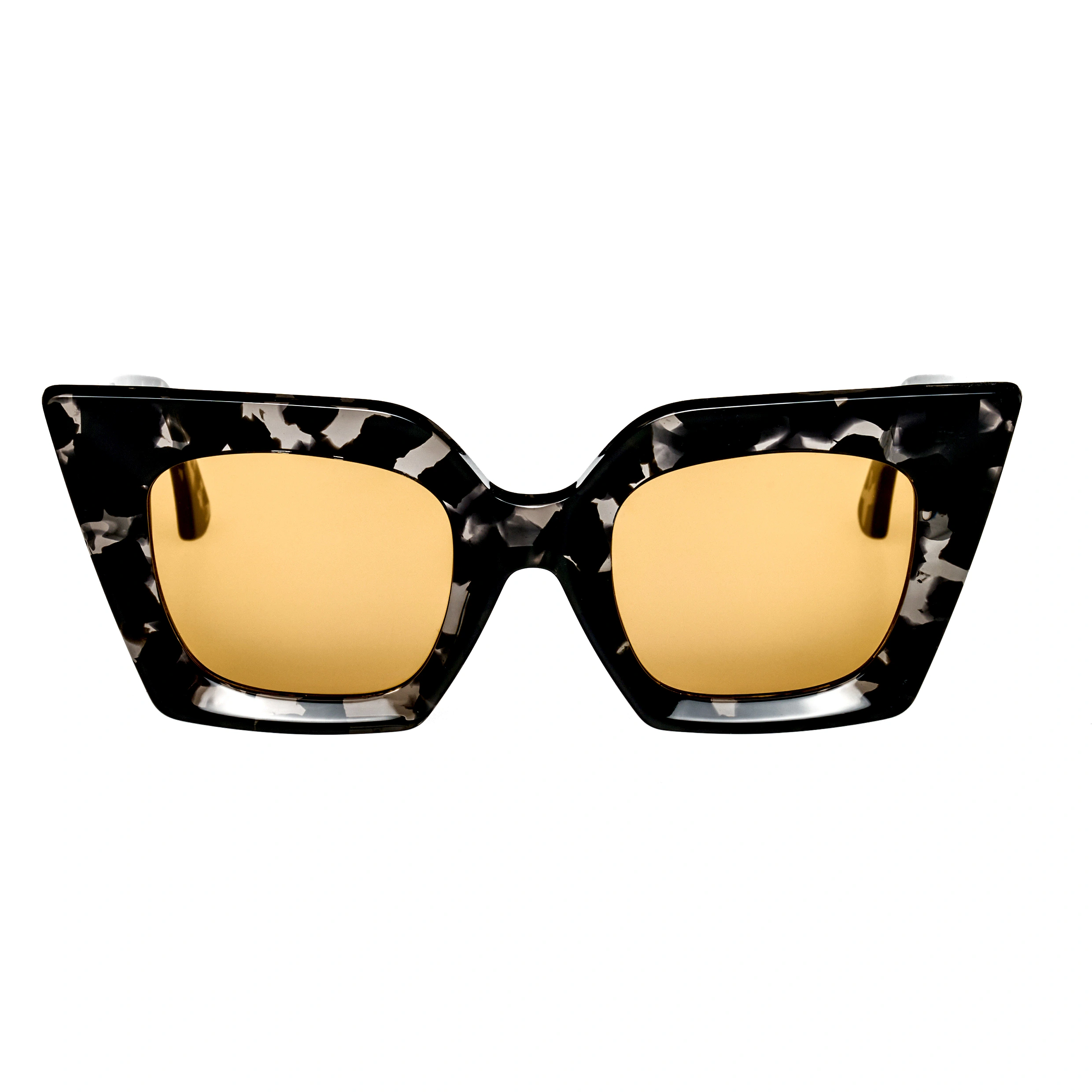
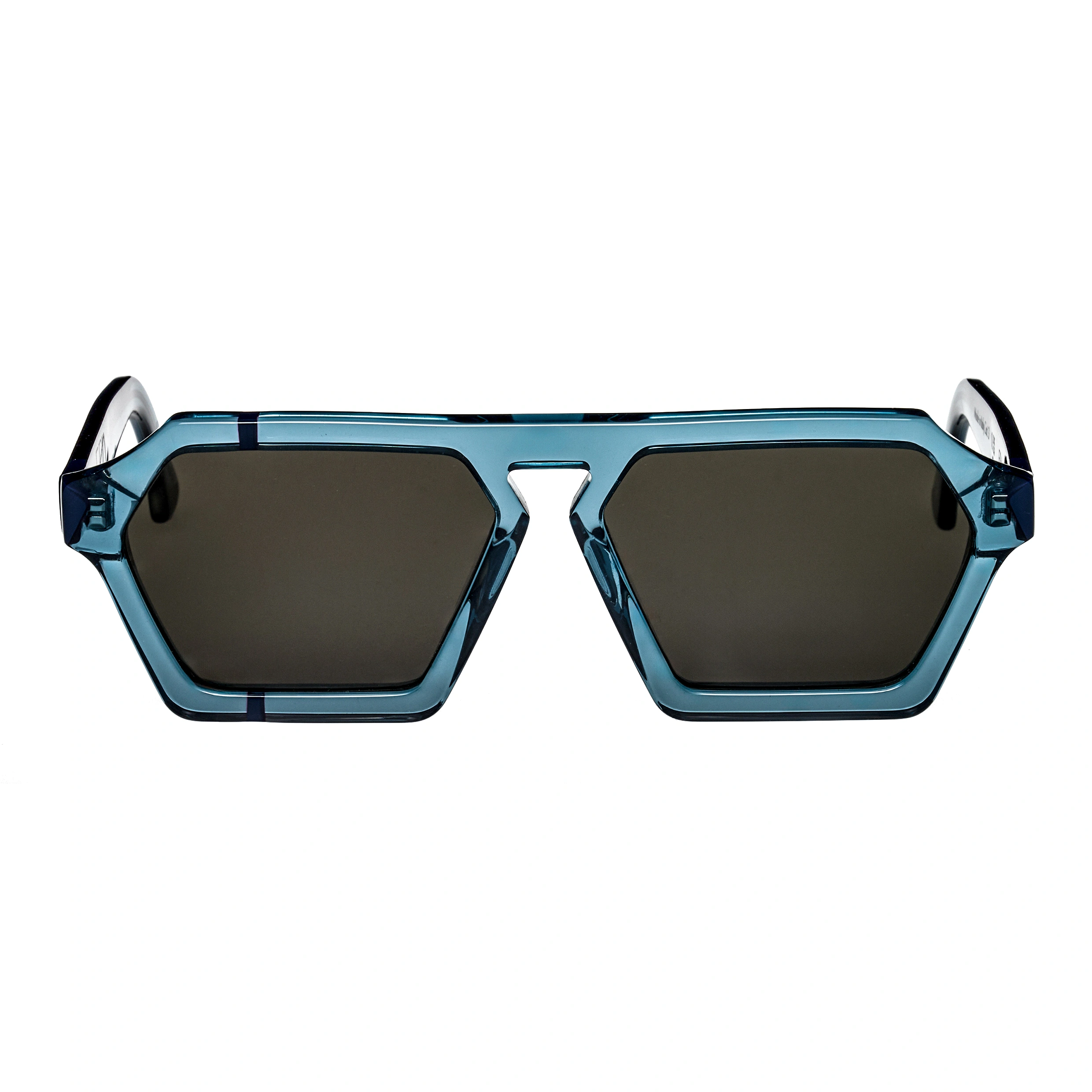
Ffin is a brand that deliberately embraces slowness: a return to the past that helps us imagine a future built around care, attention to detail and a deep respect for making — and ultimately for the people we make with and make for.
In this present time, to slow down is an act of resistance and of revolution. We are human beings made of time, and we can choose to slow it.
For decades, consumer culture has been driven by speed: faster production, faster consumption, faster trends and faster obsolescence. The consequences are increasingly difficult to ignore — environmental degradation, resource depletion, overproduction, labour exploitation and a growing disconnection between people and the products they own.
Slow fashion offers a different approach. More than simply being the opposite of fast fashion, it represents a cultural shift towards craftsmanship, longevity, authenticity and human value. Its principles are increasingly relevant beyond clothing, including furniture, architecture, food, technology and luxury goods such as eyewear.
At its heart is a simple question:
What if products were designed to be cherished rather than replaced?
Slow design values quality, durability, transparency and emotional connection over volume and constant novelty. Products are designed to last, age gracefully and carry meaning beyond seasonal trends. This philosophy sits at the creative heart of Ffin.
Slow fashion asks manufacturers to produce less, but better, and encourages consumers to buy fewer products and value them more deeply. For Ffin, working with a family-run producer in Italy with generations of specialist craftsmanship is fundamental to the quality of our frames. As a jewellery maker myself, I feel this commitment to making very deeply.
Slow design is therefore not simply about making fashion slower. It is about restoring value to things that have become undervalued — taking the time to look, pay attention, feel and connect.
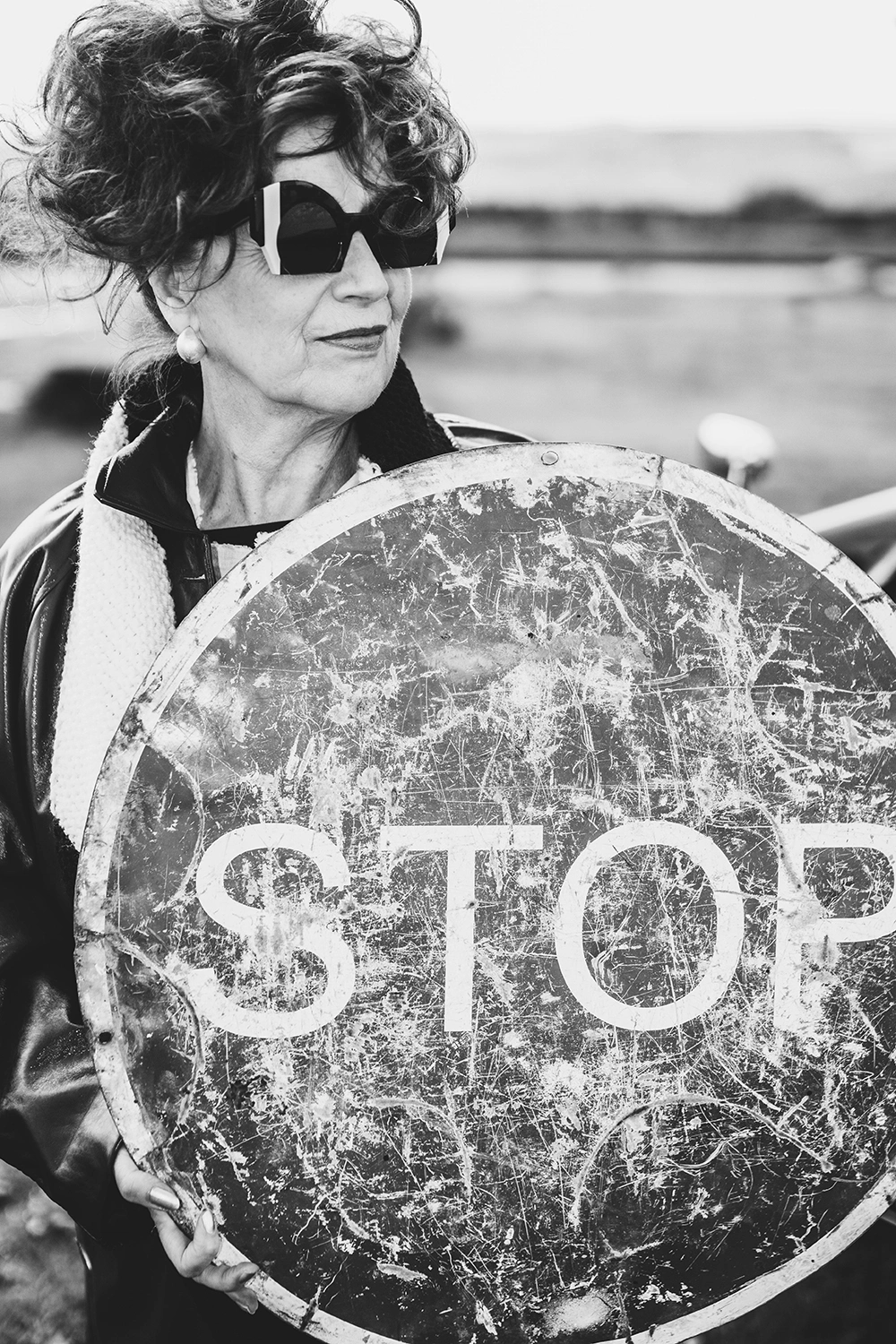
The environmental case for slow fashion is compelling. A product that is made to be used, worn and treasured for ten years is fundamentally different from one designed to be quickly replaced.
The most sustainable product is often not the newest one, but the one that remains useful and desirable for the longest period of time. This shifts sustainability away from marketing claims and towards product lifespan, quality and longevity. Reducing overall production and consumption can be as important as improving materials and manufacturing methods.
For me, sustainable design is about creating objects that people genuinely want to keep. When I design, I want to create objects that become special to someone — something that informs part of their identity and that they can nurture and enjoy for a long time.
One of the most significant shifts within slow design is the renewed appreciation of craftsmanship.
Industrialisation brought enormous efficiencies through standardisation and scale, but many traditional skills were gradually replaced by automation. Now, surrounded by mass-produced objects and increasingly digital experiences, we are seeing a renewed desire for the human, the traditional and the slow. Hand-finishing, artisanal techniques, specialist production and skilled making communicate something machines cannot: evidence of care.
Craftsmanship gives an object character and individuality. It reveals the human hand behind the object and, in the case of eyewear, the human character behind the frame. In an age dominated by digital experiences and artificial intelligence, tangible craftsmanship is becoming a luxury in its own right — not necessarily because it is expensive, but because it is increasingly rare. We value objects that feel individual, special and worth investing in. To invest in a well-made object is, in a sense, to invest in ourselves.
Slow fashion sits within a much broader cultural movement towards slow living, local connection, repair, reuse, pre-loved objects, self-sufficiency and mindful consumption. Trend forecaster Lidewij Edelkoort, whose work I greatly admire, has challenged fashion’s obsession with speed, novelty and overproduction through her Anti-Fashion Manifesto. Through the World Hope Forum, Edelkoort and Philip Fimmano have continued to advocate human-centred economies, local production, creativity, sustainability and the revival of craft traditions.
This is not simply nostalgia. It is a way of imagining a future in which prosperity depends less on producing more and more on producing better.
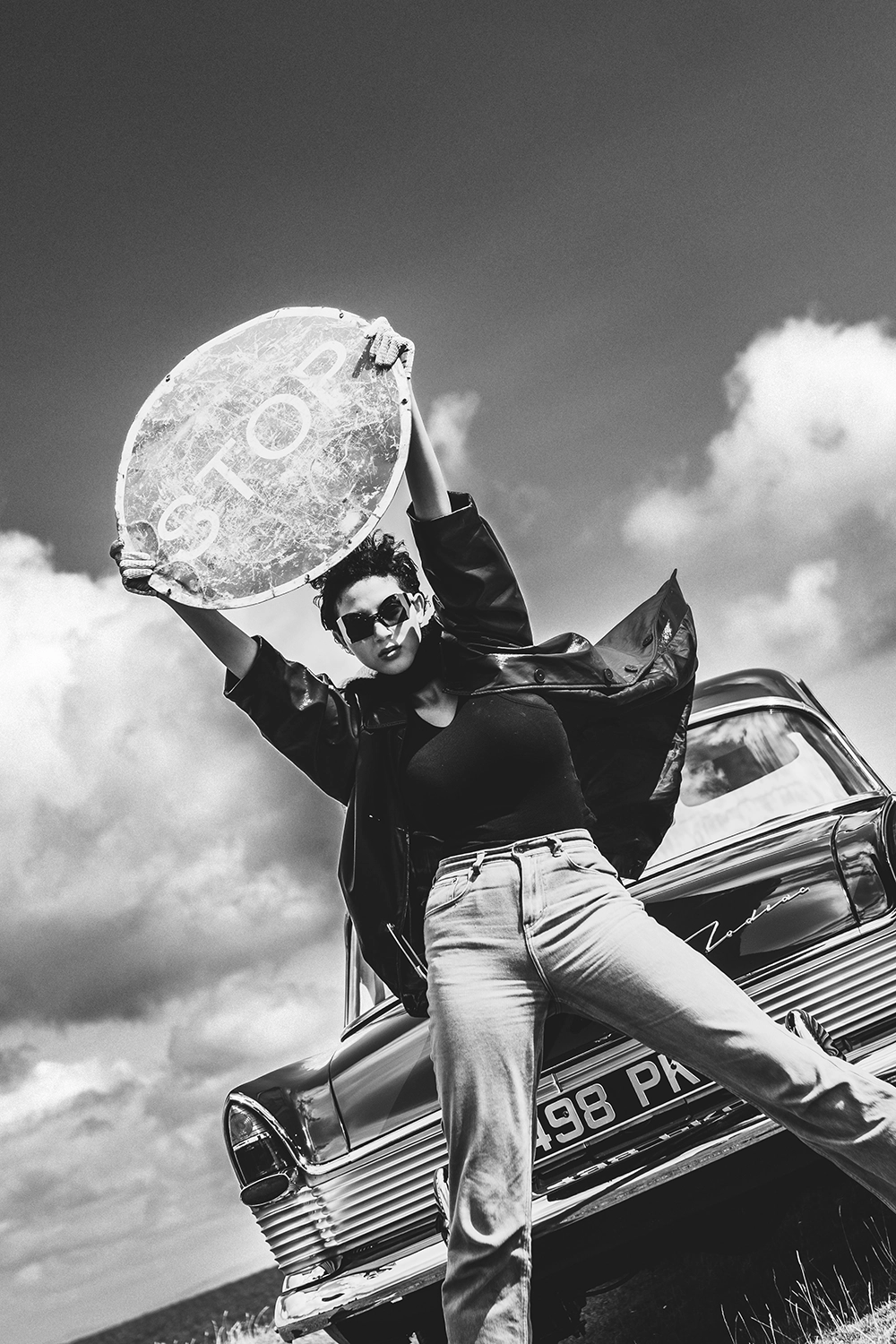
Independent brands have an important role to play in this changing landscape. Smaller businesses can often prioritise vision over volume, work closely with makers, produce smaller collections and maintain direct relationships with their customers.
At Ffin, connection is central. Our relationships with our makers and our clients are fundamental to how we work.
Independent design can also act as a laboratory for cultural change. It demonstrates that products can be developed around values rather than mass scale — and that success can be measured through cultural, emotional and environmental value, not simply units sold.
Eyewear is particularly well suited to the principles of slow fashion and slow design. Unlike garments that are often driven by seasonal trends, a well-designed frame can remain relevant and desirable for many years.
At Ffin, we do not create pressurised seasonal trends. We grow our frame family one by one, with a sense of timelessness.
An independent eyewear frame can become much more than a fashion accessory. It can become a personal object — something connected to identity, memory and individual style. A frame worn for ten years carries experiences and meaning. Its value can grow through the relationship with its wearer.
This is what slow eyewear means to me: timeless design rather than seasonal novelty; quality materials rather than planned obsolescence; reparability rather than disposability; craftsmanship rather than mass production; and emotional attachment rather than impulse purchasing.
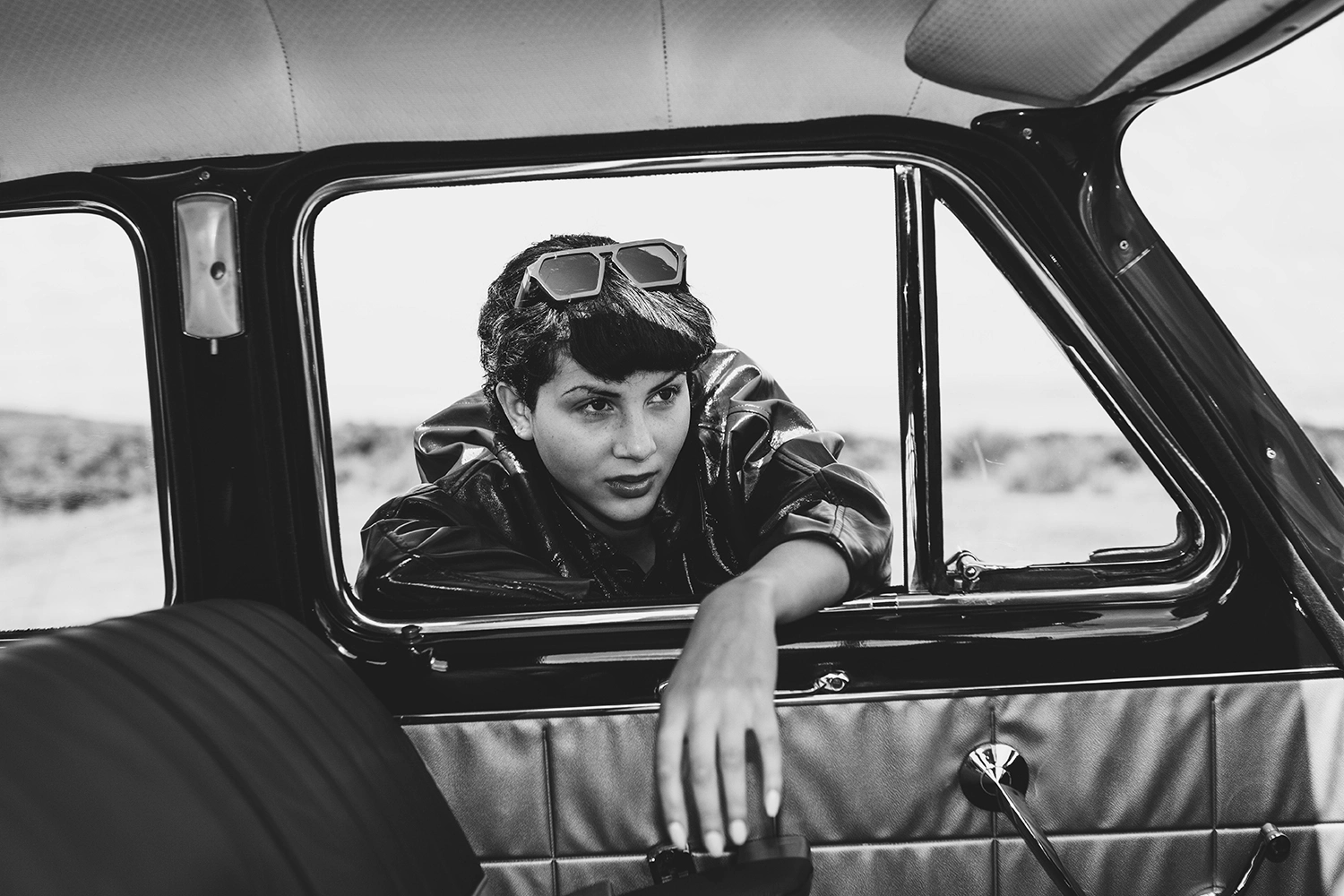
The future belongs to products that deserve to exist.
That simple idea challenges many current business models. Products should increasingly be judged not by how quickly they sell, but by how long they remain useful, desirable and emotionally relevant.
Consumers are becoming more interested in provenance, authenticity and purpose. They want to know who made something, where it came from and what values it represents.
In this environment, craftsmanship and good design become strategy. Transparency becomes luxury. Longevity becomes sustainability. Independent design becomes a cultural force.
Slow fashion is not a retreat from progress. It is an evolution of it.
For the eyewear industry, this means questioning a model built around constant launches, volume and novelty. When speed becomes the primary objective, originality can suffer and products risk becoming increasingly similar. We end up with an abundance of products but a scarcity of meaning. At Ffin, I design everything with meaning; otherwise, I won’t bring it into being.
Independent eyewear brands can offer another model. By producing fewer collections, working with specialist makers, developing longer-lasting products and valuing craftsmanship and storytelling, they demonstrate that another future is possible.
At Ffin, slowness is essential. Quality cannot be rushed. We are designing a year ahead of where we need to be and, once a frame enters production, we are often told it is like a birth. It takes around nine months for our Ffin babies to come into the world.
Good things do come to those who wait. Some things really are worth waiting for.
Independent eyewear can be a form of quiet rebellion — against waste, conformity, homogenisation and disposability. It challenges the idea that growth must come at the expense of integrity and that luxury is defined by logos, scale or marketing budgets. Instead, it places value on creativity, authenticity, purpose, people and making.
The future of eyewear will not be shaped solely by larger factories producing more frames at greater speed. It will also be shaped by designers, makers and independent brands willing to question established systems and imagine alternatives. The most important products of the future may be those that remain deliberately human in an increasingly industrialised world.
Their contribution is not simply the objects they make, but the example they set: that design can be slower, more responsible, more personal and ultimately more hopeful. In an era defined by acceleration, perhaps the most radical act is to create something intended to last.
There are lines to be crossed.
Get news about new collections, events and stockists.